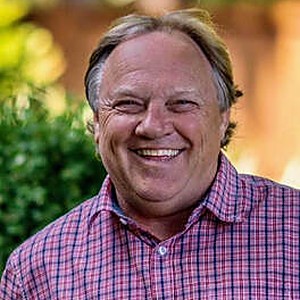
The team
A mayor is one vote out of nine. The council you elect on October 17 decides what the next four years look like.
Five of nine
A motion carries with five votes. Not nine, not unanimity — five. That is the entire arithmetic of Kamloops City Council, and it is why the last four years went the way they did.
Five shaded seats carry a motion. Reid has one of the nine.
Not a slate. A standard.
Reid is not asking you to vote for a bloc, and he is not asking for a council that agrees with him about everything. A council that agrees with everything is as bad for this city as one that agrees with nothing. Independent judgment at that table is worth having — it is how bad ideas get caught, including his.
What he is asking for is narrower, and harder: elect people who agree on what the big problems are, and who will say so out loud before the vote rather than after it.
People who keep the citizens of Kamloops at the front of every decision, regardless of personal bias. They're the boss.
You cast up to eight council votes on October 17. You do not have to take anyone's word for who deserves them.
Four questions worth asking every candidate
- Does accountability at City Hall have to come before community safety — and if you think something else comes first, what is it?
- What specifically would you require of an operator running a supportive-housing facility in a Kamloops neighbourhood?
- Name one council decision from the last four years you would have voted differently on, and say why.
- When you disagree with the mayor, will you say so at the table and on the record?
Their answers will tell you more than any endorsement will — including Reid's.
What one vote against eight looks like
Not a theory. The last four years.
A motion that is defeated has at least been argued. A motion nobody will second is never argued at all. That is a relationship problem, not a policy one — and it is not fixed by electing the same table again.
What to look for
Not who Reid likes. What the job needs.
They can name the big problems
Ask for their top three. A list of everything means they have not decided.
They will disagree out loud
At the table, on the record, before the vote — not after it. That is how bad ideas get caught, including Reid's.
They can work with people they did not choose
Nobody picks their colleagues. The job is getting things done with eight other people anyway.
They will tell you what they would have done differently
Anyone who cannot name one decision they would have voted differently on has not been paying attention.
Why this matters more than the mayor's race
You can elect a mayor whose priorities you share and still get four years of nothing moving. The mayor does not decide. The table does.
You do not have to fill all eight positions in. Eight positions on the ballot does not mean eight votes are required. One is enough, if one is all you are sure of.
Only the ones you researched. A name that simply sounds familiar is not a reason. Familiarity usually means advertising, or a surname you have heard somewhere else.
Blank is a decision, not a waste. Leaving five boxes empty is you declining to help five people you don't know beat the three you chose.
Vote for the people you trust. Nobody else.
You can vote for as few as one councillor or as many as eight. There is no rule that says you must fill the ballot, and no advantage in doing it.
Every vote you cast for someone you don't know works against the people you do. Eight seats, one count: a name you ticked out of vague familiarity is competing directly with the candidate you actually wanted.
Research them. Then vote for exactly as many as you trust.