Someone once gave me a way forward
When I was young, I experienced homelessness in Edmonton.
I worked in a restaurant and stayed wherever I could, including unfinished buildings. I had no stable home and no clear direction for my life.
Then someone gave me an opportunity to work on a ranch in British Columbia.
That opportunity gave me structure, responsibility, purpose and a chance to rebuild.
It was not simply a place to stay. It was a path forward.
I have never forgotten what that opportunity meant to me. It shaped my belief that compassion has to be more than managing someone's immediate circumstances. Compassion also has to provide hope, purpose and a genuine opportunity to reclaim your life.
I built something here
Long before I had my own lot, I worked for some of the best-known dealerships in this city. I earned Grand Sales Master in sales, and I was then hired as a manager.
In that job I built a team that earned the Triple Crown — the award General Motors gives to its top dealerships.
Building and leading a high-performing team is not something I would be learning on the job. It is what I did for a living for years before I ever set foot in City Hall.
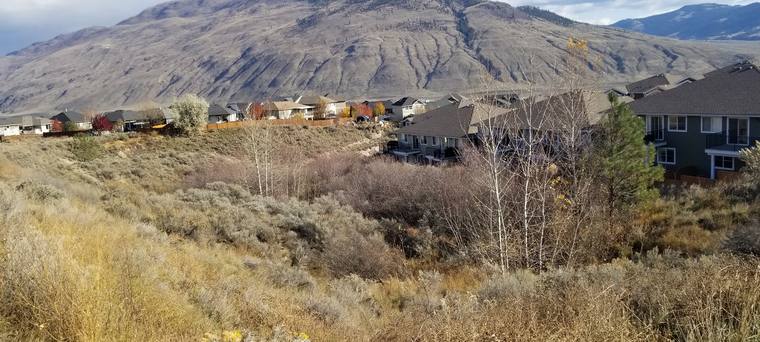
I came to Kamloops and eventually established TRU Market Auto Sales on West Victoria Street.
For decades it was a successful, fully operational and respected local business, built through long hours, personal investment and commitment to my customers.
It was not a failing business or a temporary operation. It was an established dealership with a long history of serving this city — people from every walk of life in this town bought vehicles from me over the years.
Vehicles could be displayed outside. Customers and employees could safely come and go. Like any business we occasionally had problems, but nothing resembling what later overtook the corridor.
Too many complex services in one corridor
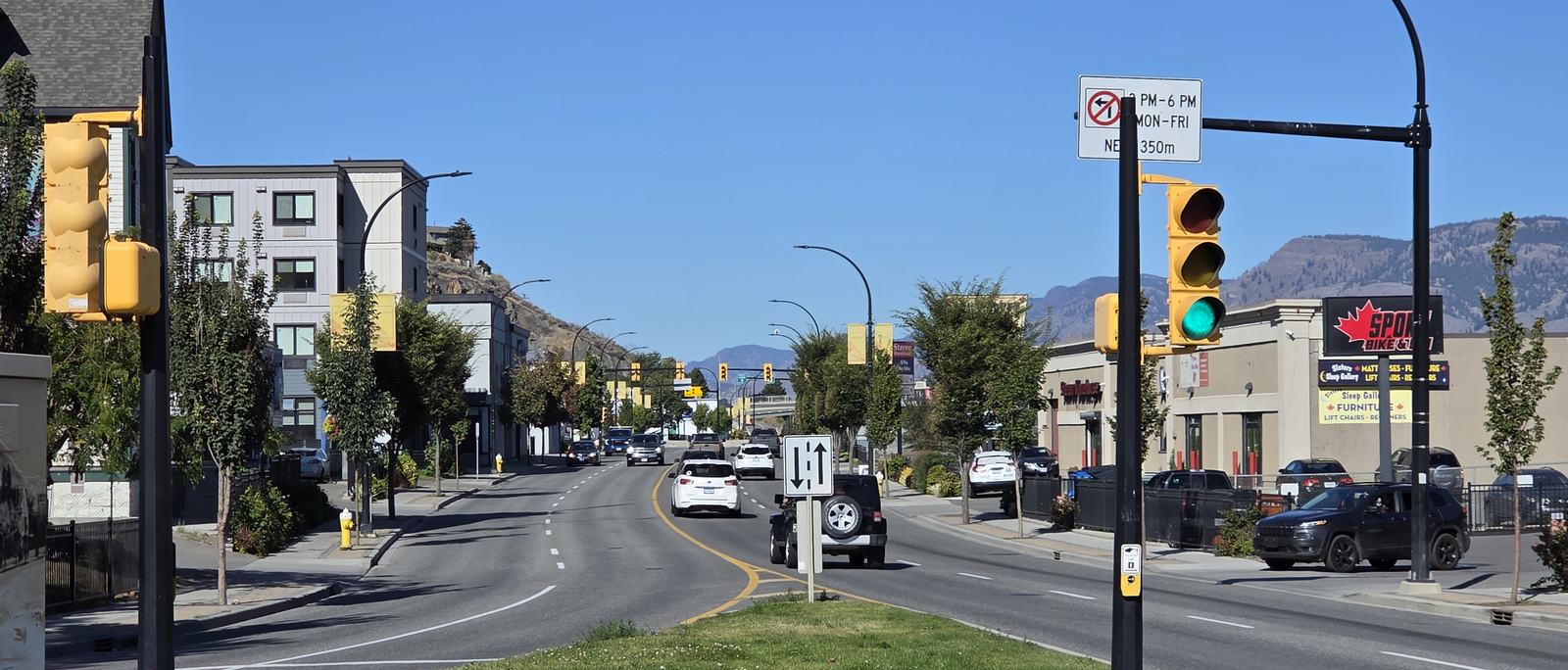
Over a relatively short period, shelters, supportive-housing developments and homelessness services were concentrated along West Victoria Street — several of them within a short walk of my lot.
Every one of those facilities exists to help vulnerable people, and the people who staff them are doing difficult work. My concern has never been that these services should not exist. They should.
My concern is the cumulative effect of concentrating so many complex services within one small commercial corridor — without sufficient planning, security, neighbourhood accountability, or accessible pathways into treatment and recovery.
No single neighbourhood should be expected to absorb such a disproportionate share of the community's most difficult social challenges.
The consequences were direct
As the concentration increased, so did the disorder around my business and the properties beside it.
Vehicles were vandalized, broken into and stolen. Fires were deliberately set. Fences were repeatedly damaged. People entered private property. Business owners and employees were threatened.
For years I kept the doors of my own dealership locked during business hours, on a main street in Kamloops, to keep my staff safe.
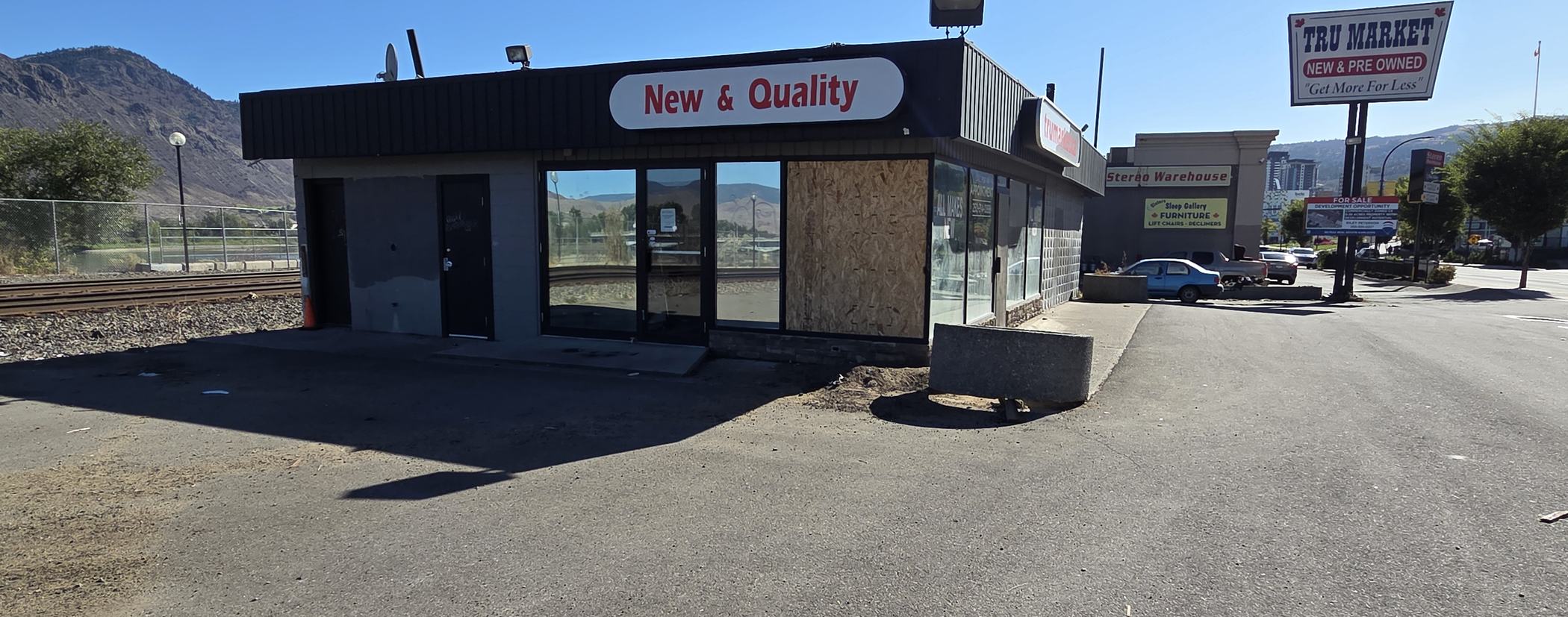
Hundreds of calls for emergency service were generated along that relatively short corridor. Every one of them represented a frightened employee, a damaged business, a person in crisis, or a police officer, firefighter or paramedic being dispatched.
Eventually I could no longer safely keep vehicles on my own sales lot. The business I had operated for decades became effectively impossible to run the way it had always been run.
Eventually I could not safely keep vehicles on my own sales lot.
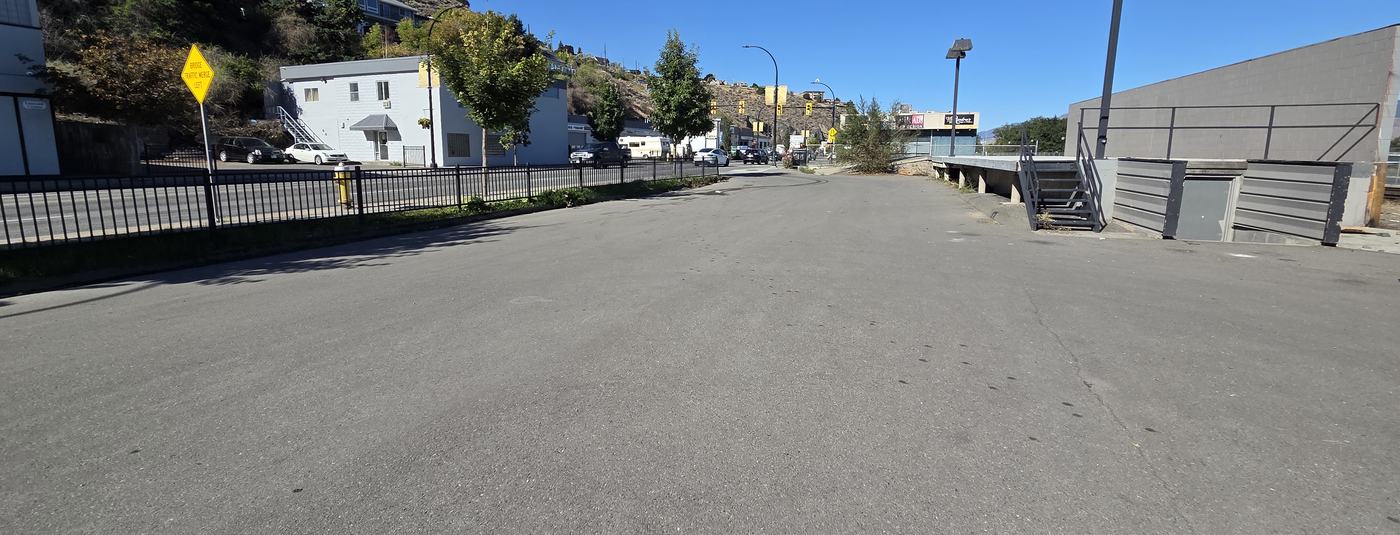
That was not changing consumer demand and it was not a failed business model. It was the direct consequence of decisions that concentrated serious social challenges in one area, and of the failure to manage what those decisions did to the surrounding neighbourhood.
The City of Kamloops and the provincial government made the decisions. Businesses, employees, customers and nearby residents absorbed them.
I tried to work within the system first
I did not immediately decide to run for mayor.
For years I tried to work with City administration, elected officials, the provincial government, BC Housing and the organizations operating these facilities. I raised concerns, attended meetings, documented incidents and asked for practical solutions.
I wanted appropriate security. I wanted facilities to be accountable for what happened around their properties. Most of all, I wanted people struggling with addiction to have meaningful access to treatment and recovery.
Nothing meaningfully changed. The property damage continued. The emergency calls continued. Businesses kept suffering. People living in addiction kept cycling between the street, shelters, emergency rooms and the justice system.
The system was managing human suffering instead of helping people escape it.
This has always been about helping people

People experiencing homelessness, addiction or mental illness are not the enemy. They deserve more than another night trapped in the same circumstances.
Before I became mayor I personally helped drive people to treatment. I saw that recovery is possible when someone is given the right environment, structure and support.
They are somebody's son, daughter, parent, brother or sister.
Maybe that's why this has always been personal for me.
We need emergency shelter. We need transitional housing. We need mental-health services and measures that keep people alive. But keeping someone alive today has to connect to a plan that gives them a chance to reclaim their life tomorrow.
We can help vulnerable people and protect neighbourhoods, businesses, employees and residents at the same time. Those are not opposites. A responsible city does both.
Someone once gave me an opportunity to rebuild my life. I believe Kamloops can offer others that same opportunity — while restoring safety, security and accountability across our city.
So I put my name forward
I didn't run for mayor because I wanted a political career or a title.
If my business had stayed safely operational, I would not have needed to run at all.
But after years of asking for change and feeling that nobody was listening, I concluded that the only way to challenge the system was from inside it.
Kamloops elected me because a lot of people recognized the same problems. They wanted someone who would ask difficult questions, challenge the status quo, advocate for recovery, and remind City Hall that citizens are the people it serves.
Why I'm still here

The conversation has started to change. Recovery-focused programs and housing are being discussed more seriously. The need for neighbourhood safety and operator accountability is getting harder to ignore. More people understand that concentrating complex challenges into one small area can harm vulnerable individuals, surrounding businesses and whole neighbourhoods at once.
But none of it is resolved.
- People who want recovery should be able to get it when they're ready — not put on a waiting list until the moment passes.
- Social agencies need the resources to provide effective services, and need to be accountable to the neighbourhoods they operate in.
- Businesses, employees and residents have a right to feel safe.
- Governments have to accept responsibility for the consequences of their decisions.
- Public institutions have to answer to the citizens they serve.
Four years at the council table taught me something I didn't know when I ran: none of that starts with safety. It starts with accountability.
Safety costs money, and money without oversight goes nowhere. Operators who answer to no one don't change how they operate. That's why accountability is now the first goal instead of the second.
It also taught me that a mayor is one vote out of nine. I brought these things forward. They did not carry.
That's why I'm asking Kamloops to help elect a team of like-minded independent thinkers — people who agree on what the big problems are, and who will still say exactly what they think at that table.
People who keep the citizens of Kamloops at the front of every decision, regardless of personal bias. They're the boss.